


2026 Neuroendocrine Cancer Patient Conference
SPEAKERS

Chandana Banerjee, MD, MPA
Associate Professor
Department of Supportive Care Medicine, Hospice and Palliative Care
Dean, Director and Designated Institutional Official, Graduate Medical Education, City of Hope
Chandana Banerjee, M.D., M.P.A., HMDC, is the dean, director and designated institutional official for Graduate Medical Education at City of Hope®. She is also an associate professor in the Department of Supportive Care Medicine, specializing in hospice and palliative care. She developed the City of Hope Hospice & Palliative Medicine Fellowship. She also established the Cancer Pain Rotation for Kaiser Permanente Los Angeles Hospice & Palliative Medicine Fellowship, which is now part of the core curriculum for the Kaiser Permanente Southern California Hospice & Palliative Medicine fellowship program. Dr. Banerjee also developed and directed the End of Life Symposium, which was first held at City of Hope in September 2019 and was endowed by Arthur Riggs, Ph.D. She is the physician lead for Schwartz Rounds at City of Hope and serves as chair on the End of Life Option Act Subcommittee. She is also a member of the Continuing Medical Education and the Ethics and Quality of Life committees.
She is currently chair-elect of the American Academy of Hospice & Palliative Medicine's (AAHPM) Medical Aid in Dying Special Interest Group. She served as chair-elect, chair and past chair on the AAHPM Humanities and Spirituality Special Interest Group from March 2019-2022. She serves on AAHPM's Editorial Board for the publication AAHPM Quarterly and has served on the assembly's Abstract Review Board. She is a reviewer for evidence-based research articles in hospice and palliative care submitted to McMaster University in Canada. Dr. Banerjee has written and published numerous articles and book chapters and spoken at conferences nationally and internationally. She is the editor for an upcoming book by Springer Publishing's CTAR series exploring views on end-of-life care, death, burial and bereavement within different cultures and religions. She also sits on the board of directors for Compassion & Choices, an organization dedicated to end-of-life issues. Dr. Banerjee is a contributing member on the National Comprehensive Cancer Network Fatigue Panel. Her leadership activities in education include excellence in teaching, faculty development and mentoring, and curriculum and program development.
Dr. Banerjee earned her undergraduate degree with an honors scholar designation from University of Connecticut. She received her master's degree in public administration from New York University and her medical degree from Saba University School of Medicine. She completed her residency in pediatrics and her fellowship in adult hospice and palliative medicine from Kaiser Permanente Los Angeles. She is also a Hospice Medical Director Certified.
Dr. Banerjee was recently selected as a Health Equity Scholar into the prestigious Cambridge Health Alliance — Center for Health Equity Education & Advocacy Program’s 2021-2022 Cohort.
Dr. Banerjee loves to write poetry and her first collection, "Ashen Leaves," was published in July 2020. Her second book of poems, "Neruda in Bed," was published in November 2021.

Jennifer Chan, MD, MPH
Medical Oncologist
Dana-Farber Cancer Institute
Jennifer Chan, MD, MPH is an Associate Professor of Medicine at Harvard Medical School and Institute Physician in the Division of Medical Oncology at Dana-Farber Cancer Institute in Boston, MA. She focuses her clinical practice on the care of patients with neuroendocrine tumors and gastrointestinal cancers.
Dr. Chan is the Director of the Program in Neuroendocrine and Carcinoid Tumors and Clinical Director for the Gastrointestinal Cancer Center at the Dana-Farber/Brigham and Women's Cancer Center. She has been the principal investigator of multiple clinical trials investigating novel therapies for neuroendocrine tumors and has been involved in studies examining factors associated with clinical outcomes in patients with neuroendocrine tumors.
Dr. Chan is a past chair of the Guidelines Committee of the North American Neuroendocrine Tumor Society (NANETS) and the current Vice President of NANETS. She serves on the National Comprehensive Center Network (NCCN) Neuroendocrine Tumors Guidelines Panel. Dr. Chan is a member of the Neuroendocrine Tumor Taskforce of the National Cancer Institute and the Board of Directors of NANETS.

Chandrikha Chandrasekharan, MBBS
Medical Oncologist
Clinical Associate Professor
University of Texas MD Anderson Cancer Center
Dr. Chandrikha Chandrasekharan is a Clinical Associate Professor at MD Anderson Cancer Center, where she has focused on neuroendocrine tumors and pancreatic cancer since January 2025. She is a dual board-certified physician in Medical Oncology and Palliative Medicine.
Dr. Chandrasekharan earned her medical degree from Kilpauk Medical College in India. She completed her internal medicine residency at the University of Florida College of Medicine in Jacksonville, followed by a fellowship in Palliative Medicine at Mayo Clinic, Rochester. She
then pursued a fellowship in Medical Oncology at LSU Shreveport, and further specialized in gastrointestinal malignancies with an additional year of training at Mayo Clinic, where she developed a strong interest in neuroendocrine tumors.
Prior to joining MD Anderson, Dr. Chandrasekharan served for eight years as a Clinical Associate Professor at the University of Iowa. There, she co-led the gastrointestinal oncology program and treated a broad range of GI malignancies. From 2021 to 2022, she was Co-Director
of the Clinical Core for the Neuroendocrine Tumor SPORE.
She is an active member of the North American Neuroendocrine Tumor Society (NANETS), currently serving as Co-Chair of the NANETS Annual Symposium Planning Committee, and previously chaired the Regional Medical Education Committee. In addition to her clinical and academic work, Dr. Chandrasekharan is engaged in clinical trials and research focused on healthcare outcomes, health equity, and global oncology care.

Delphine Chen, MD
Director of Molecular Imaging and Therapy
Professor, Clinical Research Division & Professor of Radiology
Fred Hutch Cancer Center
UW Medicine
Dr. Delphine L. Chen is a nuclear medicine physician-scientist with more than 20 years of broad clinical expertise in all types of positron emission tomography (PET) and nuclear medicine molecular imaging diagnostic tests and therapy. She is particularly interested in how molecular imaging can provide information about cancer behavior and affect treatment decisions.
Dr. Chen graduated from the Washington University School of Medicine and subsequently completed a postdoctoral research fellowship studying novel inflammation imaging PET methods. She then completed a nuclear medicine residency at Barnes-Jewish Hospital.
Dr. Chen was the principal investigator in the first in-human trial of PARP radiotracers to predict which patients will respond to PARP inhibitors, now shown to be highly effective in BRCA mutation-driven breast cancers. Her research seeks to expand the field of nuclear medicine and find new diagnostic imaging and therapy agents for clinical trials, including focusing on how PARP radiotracers can be used to identify additional patients who may respond to anticancer drugs.
In 2006, she received an NIH career development award and the Damon Runyon Cancer Research Foundation Clinical Investigator Award, and later a Doris Duke Charitable Foundation Clinical Investigator Award, in support of her research into PET imaging and has continued to receive NIH funding since. And in 2021, the Academy for Radiology and Biomedical Imaging Research named Dr. Chen a Distinguished Investigator. She has contributed to multiple publications and has more than 300 citations and is a member of the Institute for Prostate Cancer Research, a collaborative effort between Fred Hutch and UW Medicine. Dr. Chen is board-certified in nuclear medicine by the American Board of Nuclear Medicine.

Callisia Clarke, MD, MS, FACS, FSSO
Chief of Surgical Oncology
Associate Professor of Surgery
Medical College of Wisconsin
Dr. Clarke is Chief of Surgical Oncology and Associate Professor of Surgery at the Medical College of Wisconsin with a focus on tumors of the upper gastrointestinal tract, sarcomas, melanomas and regional therapies for advanced malignancies. She specializes in hepato-pancreatic-biliary malignancies, primary and metastatic neuroendocrine tumors, melanoma and sarcoma. Her research efforts focus on personalized cancer care and targeted approaches in pancreatic neuroendocrine tumors.
Dr. Clarke also serves on the Executive Committee of the Association for Academic Surgery and is the Chair of the North American Neuroendocrine Tumor Society (NANETS) Mentoring and Early Career Development Committee. In 2024 President Biden announced her appointment as a Member of the National Cancer Advisory Board. Dr. Clarke plays a key role in guiding the Director of the National Cancer Institute in setting the course for the national cancer research program and helping advance breakthroughs to prevent, detect, and treat diseases like cancer.

Jaydira Del Rivero, MD
Endocrinologist & Medical Oncologist
National Cancer Institute
National Institute of Health
Dr. Del Rivero earned her medical degree from the University of Veracruz in Veracruz, Mexico and completed her internal medicine residency at Woodhull Medical and Mental Health Center/NYU-Langone Medical Center.
Dr. Del Rivero completed a fellowship in Endocrinology, Diabetes and Metabolism at The Inter-Institute Endocrinology Training Program (IETP) at the National Institute of Diabetes and Digestive and Kidney Diseases (NIDDK), The National Institute of Child Health and Human Development (NICHD), and The National Institute of Dental and Craniofacial Research (NIDCR) where she was part of a research team developing clinical trials for pheochromocytoma and paraganglioma. She then joined as Assistant Professor at the Montefiore Einstein Center for Cancer Care (MECCC) where she specialized in endocrine oncology involving thyroid cancer, parathyroid and adrenal tumors, and clinical research for gastroenteropancreatic neuroendocrine tumors.
She subsequently completed a second fellowship in medical oncology at the National Cancer Institute (NCI) with a research focus on endocrine malignancies. Dr. Del Rivero is board certified in Internal Medicine, Endocrinology, Diabetes and Metabolism and Medical Oncology.
Dr. Del Rivero is a Physician Scientist in the Developmental Therapeutics Branch. She is the Principal Investigator of the Natural History Study for Neuroendocrine Neoplasm and Adrenocortical Cancer to provide the basis of further development of therapeutic interventions, prevention/screening guidelines, endpoints for future clinical trials, and patient reported outcome measures. Dr. Del Rivero’s current efforts is the development of novel treatment approaches and targeted therapies for endocrine malignancies such as advanced gastroenteropancreatic neuroendocrine tumors, adrenocortical cancer and pheochromocytoma/paraganglioma.

Udhayvir Singh Grewal, MBBS
Medical Oncologist
Emory Winship Cancer Institute
Udhayvir S. Grewal, MD, is a gastrointestinal and neuroendocrine tumor (GI/NET) medical oncologist at the Winship Cancer Institute of Emory University and an Assistant Professor of Medical Oncology at the Emory University School of Medicine in Atlanta, Georgia. His research focuses on drug development and care-delivery innovations for patients with neuroendocrine tumors. Dr. Grewal serves on the North American Neuroendocrine Tumor Society (NANETS) Membership & Diversity Committee and the European Neuroendocrine Tumor Society (ENETS) Grade 3 NENs Task Force.
After medical school at Government Medical College in Patiala, India, Dr. Grewal completed his internal medicine residency at LSU Health Sciences Center–Shreveport and a hematology/medical oncology fellowship at the University of Iowa Holden Comprehensive Cancer Center, where he also remains an active collaborator with the UIowa NET SPORE team.

Thorvardur Halfdanarson, MD
Hematologist, Oncologist
Mayo Clinic
Thor R. Halfdanarson, M.D., is a medical oncologist and Professor of Oncology at Mayo Clinic who specializes in the management of patients with neuroendocrine neoplasms, gastrointestinal malignancies and unknown primary malignancies. His specific research interests include the epidemiology, risk factors and treatment of neuroendocrine tumors and neuroendocrine carcinoma and improving outcomes for pancreatic adenocarcinoma and rare types of pancreatic tumors. He is a principal investigator and co-investigator for multiple industry-sponsored and cooperative group clinical trials.
Dr. Halfdanarson holds several leadership positions within Mayo Clinic Comprehensive Cancer Center. He is chair of the Hepato-Pancreatico-Biliary Cancer Disease Group and co-chair of the Pancreatic/Neuroendocrine Tumor Board. He is associate medical director of the Cancer Clinical Trials Office in Rochester, Minnesota, co-chair of the Feasibility Committee, and a member of the Clinical Research Leadership Committee. He also represents Mayo Clinic on the Neuroendocrine Tumors Guidelines Panel of the National Comprehensive Cancer Network (NCCN). Dr. Halfdanarson is President Emeritus of the North American Neuroendocrine Tumor Society (NANETS) as well.

Julie Hallet, MD, MSc, FRCSC, FACS, FSSO
Surgical Oncologist,
Odette Cancer Centre, Sunnybrook Health Sciences Centre
Associate Professor of Surgery,
University of Toronto
Dr. Hallet is an Associate Professor of Surgery at the University of Toronto and a Surgical Oncologist with a clinical practice devoted to hepato-biliary, pancreatic and upper gastrointestinal malignancies at the Odette Cancer Centre - Sunnybrook Health Sciences Centre. Her practice further focuses on neuroendocrine tumors as part of the Susan Leslie Multidisciplinary Clinic for Neuroendocrine Tumors, as well as minimally invasive therapies for cancer treatment. She completed general surgery residency and MSc in clinical epidemiology at Université Laval in Québec City, followed by a Surgical Oncology and hepato-pancreatico-biliary clinical fellowship at the University of Toronto, and additional training in advanced minimally invasive surgery at the Institut de recherche contre les cancers de l’appareil digestif (IRCAD) in Strasbourg, France.
Dr. Hallet holds leadership roles in National and International societies. Among those roles, she serves as the Vice-Chair of the Hepato-Pancreatico-Biliary Disease Site Group of the Society of Surgical Oncology, the Chair of the Early Career Group the International Hepato-Pancreatico-Biliary Association, and a member of the Guidelines Committee of the North American Neuroendocrine Tumors Society, as well as on the executive committees of the Canadian Society of Surgical Oncology and the Canadian Hepato-Pancreato-Biliary Association. She is a founding member of the Society of Surgical Ergonomics for which she also chairs the Research and Applied Ergonomics Committee. She also is Associate Section Editor for the Annals of Surgical Oncology, and is part of the Editorial Board of HPB, the World Journal of Surgery, and the British Journal of Surgery.
Dr. Hallet’s research focuses on health services research to examine processes of care and outcomes in oncology, with a focus on patient-centred and patient-reported outcomes. To support her research, she has received over $10 millions in operating grants, including from the Canadian Institutes of Health Research and the Ontario Institute of Cancer Research. Dr. Hallet has over 200 peer-reviewed publications, including high-impact papers in JAMA Surgery, JAMA Oncology, the Journal of the NCCN, and Annals of Surgery.

Andrew Hendifar, MD
Medical Oncologist
Cedars-Sinai Medical Center
The current research focus of Andrew Hendifar, MD, is on developing new therapies for pancreatic cancer and neuroendocrine tumors. Dr. Hendifar has helped form multidisciplinary teams that specialize in the treatments of pancreatic cancer, and carcinoid and neuroendocrine tumors. Dr. Hendifar is the primary investigator for several groundbreaking therapies, including radioimmunotherapy for neuroendocrine tumors, anti-inflammatory therapy for pancreatic cancer and novel approaches to cancer cachexia. His national roles include SWOG GI Committee Member and a member of NIH Neuroendocrine Tumor Task Force. He also serves as the steering committee member for the Precision Promise Consortium and chairs the associated Supportive Care Committee. At Cedars-Sinai, he leads the Gastrointestinal Disease Research Group and is the founding Director of the Hematology and Oncology Fellowship Program.

Pamela Kunz, MD
Gastrointestinal Oncologist
Yale Medicine
Dr. Pamela Kunz is a Professor of Medicine at Yale School of Medicine where she serves as the Division Chief of GI Medical Oncology and Director of the Center for GI Cancers at Yale Cancer Center and Smilow Cancer Hospital.
She received her medical degree from the Dartmouth Geisel School of Medicine. Her postgraduate training included a medical residency, chief residency, and oncology fellowship at Stanford University School of Medicine.
Dr. Kunz is an international leader in the treatment and clinical research of patients with GI malignancies and neuroendocrine tumors (NETs). She serves as the Editor-in-Chief of JCO Oncology Advances and has previously held other leadership roles in the field including member of the FDA’s Oncology Drug Advisory Committee, President of the North American Neuroendocrine Tumor Society, and Chair of the Neuroendocrine Tumor Taskforce of the NCI. She was awarded ‘Woman Oncologist of the Year’ in 2021 by Women Leaders in Oncology.
X @PamelaKunzMD
Daneng Li, MD
Medical Oncologist
City of Hope
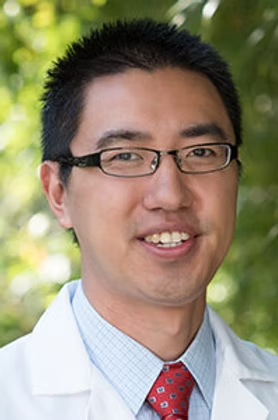
Daneng Li, M.D., is an associate professor in the Department of Medical Oncology & Therapeutics Research at City of Hope Comprehensive Cancer Center, specializing in treating gastrointestinal cancers. Dr. Li currently leads the liver tumors program and is also the co-director of the Neuroendocrine Tumor Program at City of Hope. Dr. Li embraces a multidisciplinary approach to treatment of patients with neuroendocrine tumors. He leads several clinical trials focused on improving outcomes for patients with NETs and works closely with scientists in the development of the next generation of novel therapeutics.
Nationally, he has served on several NET committees including the NANETS Research Committee, NANETS Continuing Medical Education Committee, and the Patient-Physician Communication Task Force for the Healing NET Foundation, allowing him to work closely to support NET patient advocacy programs. For all his efforts, he was honored as a recipient of the inaugural 40 Under 40 in Cancer Award during the American Society of Clinical Oncology annual meeting in 2018.
Sheila Lindsay, NP, MSN, RN
Gastrointestinal Medical Oncology
University of California San Francisco
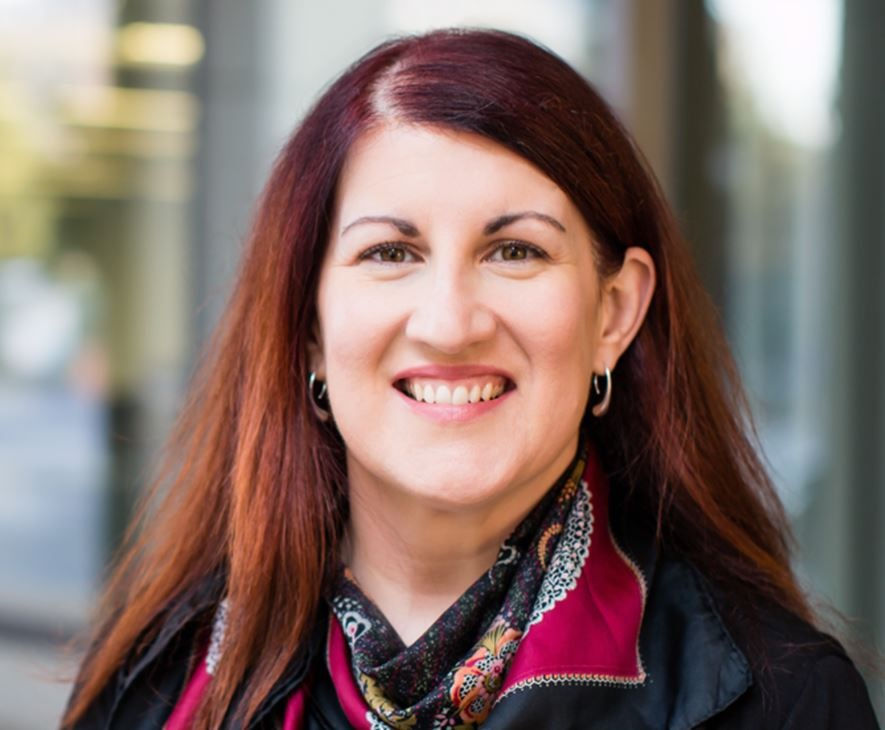
Sheila Lindsay is a nurse practitioner at the University of California San Francisco where she sees patients with neuroendocrine tumors and other gastrointestinal malignancies. She helps patients manage the side effects of cancer and its treatments. She also helps to educate patients on how to optimize their health and quality of life while undergoing therapy and during recovery. She is part of the multidisciplinary team at the Center for Neuroendocrine Tumors at UCSF where she works closely caring for patients undergoing therapies including PRRT.
She earned her bachelor’s degree in nursing from Creighton University in Omaha, Nebraska followed by a master’s degree from the University of California San Francisco School of Nursing Adult Nurse Practitioner program.

Josh Mailman, MBA
President
NorCal CarciNET
Josh Mailman was diagnosed with PNET in 2007. Josh is an internationally recognized advocate for NET patients as well as an advocate for integrative oncology and nuclear medicine and molecular imaging. He is the inaugural chair of the Society of Nuclear Medicine and Molecular Imaging’s (SNMMI) Patient Advocacy Advisory Board, Board Member and Treasure of the Neuroendocrine Tumor Research Foundation (NETRF), a member of The Education and Research Foundation for Nuclear Medicine and Molecular Imaging (ERF) Board, and president of NorCal CarciNET Community, one of the largest NET patient communities in the United States. He is currently the sole patient rights advocate for the Nuclear Regulatory Commission’s Advisory Committee for the Medical Use of Isotopes (ACMUI).
Josh is also a member of National Cancer Institute’s GI Steering Committee and serves as co-chair of the Patient Advocate Steering Committee. In 2015, Josh was honored with the Warner Advocacy Award, given annually by Novartis Oncology Patient Advocacy and The NET Alliance. The award recognizes an individual for leadership and advocacy for neuroendocrine patients. In the same year, Josh was given the SNMMI’s President’s Award for his work on behalf of patients in the nuclear medicine field. Josh is a former executive board member of the Society for Integrative Oncology (SIO) and was named SIO Patient Advocate of Year in 2010. Josh is a frequent and sought-after speaker for his passionate and highly informed perspective on how patients can effectively participate in the process of working with key stakeholders to improve treatments and advance progress for better quality of life and eventual cures.

Erik Mittra, MD, PhD
Nuclear Medicine Physician
Oregon Health & Science University
Dr. Mittra received his medical and graduate training at Stony Brook University and subsequently completed a Nuclear Medicine residency and fellowship at Stanford University. He was faculty at Stanford for many years before moving to Oregon Health & Science University in 2018.
Dr. Mittra is involved in all aspects of Nuclear Medicine but theranostics for oncology is of particular interest. His research interests are primarily focused on the clinical translation of novel radioisotopes for imaging and therapy. He is very involved with the Society of Nuclear Medicine and Molecular Imaging (SNMMI), the North American Neuroendocrine Tumor Society (NANETS), and is a prior Medical Director of the Healing NET Foundation (HNF).

Guillaume Pegna, MD
Assistant Professor of Medicine
Division of Hematology/Medical Oncology
Oregon Health & Science University
Dr. Pegna is a medical oncologist who specializes in the care of adults with neuroendocrine tumors (NETs). He is additionally interested and experienced in the management of rare tumors, including pheochromocytomas, paragangliomas and adrenocortical carcinomas as well as other gastrointestinal cancers.
Dr. Pegna is actively involved with clinical trials and cancer research to improve survival and quality of life for cancer patients and to better understand the biology of these diseases. He specializes in the use of chemotherapy, immunotherapy and multidisciplinary approaches to cancer care. Dr. Pegna finds it rewarding to help patients understand their disease, providing treatment options based on each individual patient, and supporting them through their treatment journeys.

Victoria Ramirez, LCSW
Licensed Clinical Social Worker
Victoria Ramirez, LCSW is a Licensed Clinical Social Worker with over 14 years of experience supporting individuals navigating cancer, chronic illness, grief, and major life transitions. She specializes in working with patients and families impacted by oncology diagnoses, as well as those coping with loss, anxiety, and unexpected life changes.
Victoria earned her Master of Social Work from the University of Southern California and is licensed in California. Her therapeutic approach is integrative, drawing primarily from client-centered therapy and cognitive behavioral therapy (CBT) to meet each individual’s unique needs. She is known for creating a calm, supportive, and judgment-free environment where clients feel safe to explore their experiences.
With a warm and empathetic style, Victoria collaborates with clients to set both short- and long-term goals, adapting them as needs evolve over time. She is deeply committed to helping individuals build resilience, gain clarity, and feel supported throughout their healing journey.

Michael C. Soulen, MD, FSIR, FCIRSE
Interventional Radiologist
Penn Medicine
Michael C. Soulen, MD FSIR FCIRSE is the Professor of Radiology and Director of Interventional Oncology at the University of Pennsylvania Abramson Cancer Center and Director of Clinical Research in the Division of Interventional Radiology.
His major clinical and research focus for the past 30 years has been image-guided cancer therapy (interventional oncology), with a specific focus on embolotherapy and ablative therapy of solid tumors in the liver and kidney. Animal research includes swine, rabbit, and rat models for liver-directed therapies, investigating novel embolic agents, novel ablation devices, and ultrasound-mediated drug delivery using novel drug-loaded microbubble contrast agents. Clinic trials focus on embolotherapies for primary liver cancers, liver metastases from colorectal and neuroendocrine tumors, and renal cell carcinomas.
Current clinical investigations focus on synergy between locoregional and systemic therapies, including 1) pharmacologic modulation of the metabolic stress response under conditions of embolic ischemia; 2) IR therapies as immunostimulants combined with immune checkpoint inhibition, 3) radioembolization with radiosensitizing drugs; 4) serial biopsy for tumor cell culture, rapid drug screening, sequencing and testing in PDX mice, with the goal of personalized precision medicine; and 5) the first international randomized trial comparing embolotherapy techniques for neuroendocrine tumor liver metastases.
Dr. Soulen received Research Mentor awards from the University of Pennsylvania Department of Radiology and the North American Neuroendocrine Tumor Society and the Gold Medal from the Society of Interventional Radiology.

Jason Starr, DO
Hematologist/Oncologist
Mayo Clinic
Dr. Starr grew up in South Florida and earned his medical degree at Lake Erie College of Osteopathic Medicine in Bradenton, Florida. He did his training at Mayo Clinic School of Graduate Medical Education in Jacksonville, where he completed his internship and residency in internal medicine, followed by a hematology/oncology fellowship.
Dr. Starr has developed an expertise in treating gastrointestinal malignancies and has co-authored papers and book chapters on the subject. He has a special interest in neuroendocrine tumors and is committed to advancing the field through clinical research, namely through the development and enrollment of clinical trials. Dr. Starr is also passionate about education and is integrally involved with fellow education and well-being. He is board certified in internal medicine, hematology, and oncology.
"The greatest joy of my career is the interaction and relationships I am able to have with my patients," says Dr. Starr. In his free time he enjoys and values spending time with his wife and children. He also enjoys exercise for fitness and stress relief.
Dr. Starr is proud of his Mayo roots and feels strongly about Mayo Clinic's conviction to hope, faith, and science.